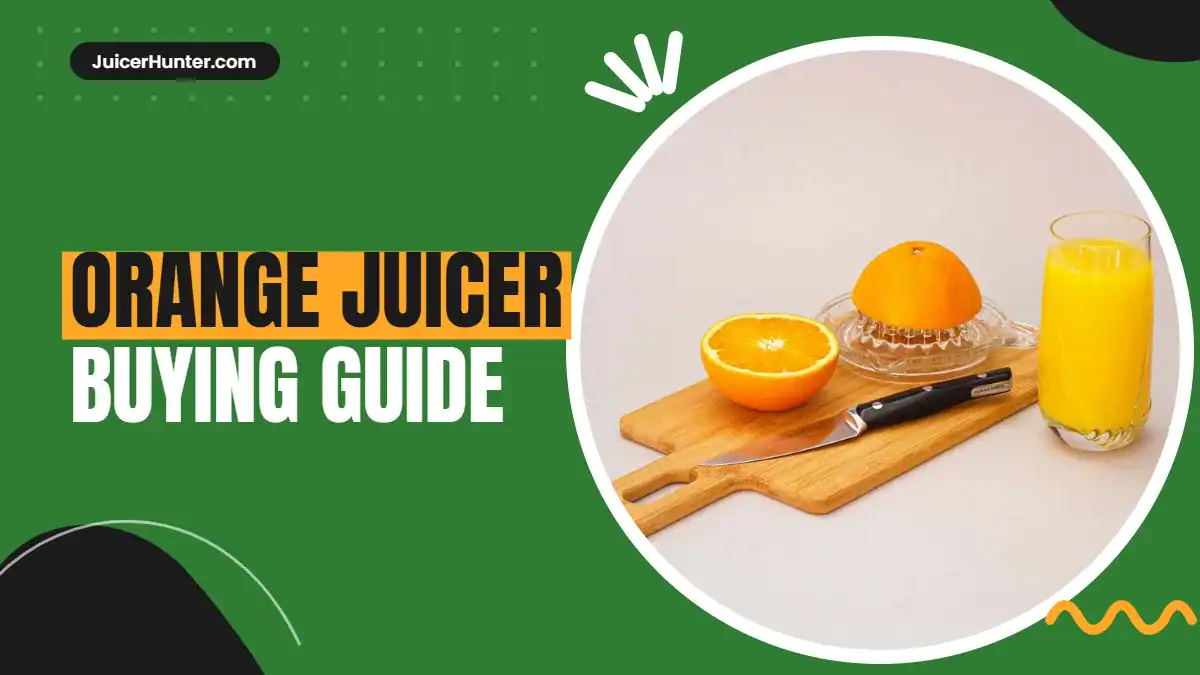
There is nothing like a cold glass of fresh-squeezed orange juice. It tastes brighter and sweeter than most cartons, and you know exactly what is in it. The key to great OJ at home is the right orange juicer.
From simple reamers to electric machines and lever presses, there are many ways to juice oranges. Each one fits a different routine and budget. Below, I’ll walk you through the main types of orange juicers, the features that matter most, how to get the most juice from your oranges, and which oranges make the best-tasting juice.
In this post
- Why Use an Orange Juicer?
- Types of Orange Juicers
- Orange Juicer Comparison
- How to Choose the Best Orange Juicer
- Best Oranges for Juicing
- How to Use an Orange Juicer for Maximum Juice
- Fresh Orange Juice Nutrition
- How to Store Fresh Orange Juice
- How to Clean an Orange Juicer
- Orange Juice Mix-Ins and Ideas
- Is an Orange Juicer Worth It? A Quick Cost Look
- Fresh-Squeezed OJ Morning Routine (Under 5 Minutes)
- Where to Find the Best Oranges for Juicing
- Orange Juicer Accessories That Help
- Where People Go Wrong
- Common Questions
- Final Word
Why Use an Orange Juicer?
You could use a regular juicer for oranges, but you would need to peel every fruit first. An orange juicer lets you cut oranges in half and juice them peel-on, so it is faster and leaves the bitter peel behind.
Benefits of an orange juicer:
- Speed: Juice a glass in a minute or two.
- Better taste: Less bitter oil from the peel and pith.
- Less waste: Presses each half thoroughly.
- Easy cleanup: Fewer parts than full juicers.
- Pulp control: Many models let you choose how much pulp you want.
Types of Orange Juicers
1. Handheld Orange Squeezer
A large, hinged squeezer sized for oranges. It works well for one or two oranges at a time.
- Pros: Cheap, small, no power needed
- Cons: Tiring for more than a few oranges, may not fit big navels
2. Orange Reamer
A ridged cone that sits on a cup. You twist each orange half on the cone.
- Pros: Simple, inexpensive, easy to clean
- Cons: Slower, requires some arm work
3. Electric Orange Juicer
The most popular choice for home OJ. A motor spins a cone while you press the orange half down. Some models have a press arm, so you just push a lever. Many offer pulp settings and two cone sizes.
- Pros: Fast, easy, good yield, affordable
- Cons: Takes up counter space, motor can be noisy
4. Lever Press Orange Juicer
A tall press with a long handle, often on a cast iron frame. Place half an orange in the cup and pull the lever. Learn more in our cast iron juicer guide.
- Pros: Very fast, little effort, no power, lasts for years
- Cons: Large, heavy, may cost more
5. Automatic Orange Juicer Machine
You load whole oranges into a hopper. The machine cuts and presses them automatically. You see these in juice bars and grocery stores.
- Pros: Hands-free, high volume
- Cons: Very expensive, large, more parts to clean
6. Masticating or Centrifugal Juicer
These all-purpose juicers can juice oranges if you peel them. A good option if you also want to make green or carrot juice.
- Pros: Juice oranges with other produce
- Cons: Peeling takes time
Orange Juicer Comparison
| Type | Speed | Effort | Batch | Power | Price |
|---|---|---|---|---|---|
| Handheld squeezer | Medium | Medium | 1-2 oranges | No | Low |
| Reamer | Slow | Medium | 1-3 oranges | No | Low |
| Electric orange juicer | Fast | Low | 4-15 oranges | Yes | Low to mid |
| Lever press | Very fast | Very low | 10+ oranges | No | Mid |
| Automatic machine | Very fast | None | Dozens | Yes | High |
| Masticating/centrifugal | Medium | Medium (peeling) | Mixed juices | Yes | Mid to high |
How to Choose the Best Orange Juicer
How Much Orange Juice Do You Drink?
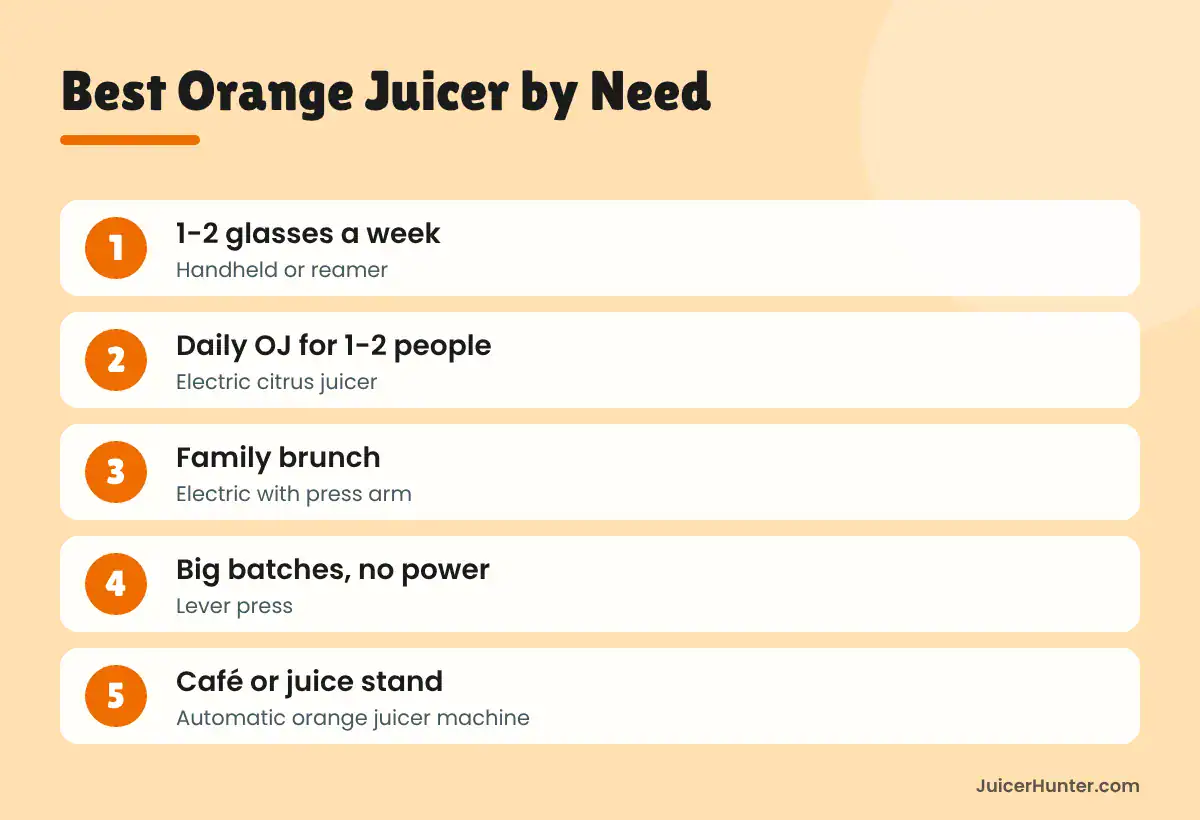
If you only make OJ on weekends, a reamer or handheld squeezer can work. If you drink it every morning or make it for a family, an electric orange juicer or lever press will save a lot of time.
Cone Size
Navel oranges can be large. Make sure the cone and cup fit them. Many electric juicers come with a small cone for lemons and a large one for oranges and grapefruit.
Pulp Settings
Some people love pulp. Others want smooth juice. Electric juicers with adjustable strainers give you the choice.
Press Arm or Lever
A press arm or lever means you do not have to push down with your hand. It also keeps your hands clean.
Build Quality
Look for stainless steel parts where possible, a heavy base and a motor with a decent warranty.
Cleanup
Removable, dishwasher-safe parts make daily use much easier.
Quick Recap:
- Electric orange juicers are the best all-round choice for most homes.
- Lever presses are fastest without electricity.
- Check cone size so large navel oranges fit.
- Pulp control and a press arm make daily OJ easier.
Best Oranges for Juicing
Not all oranges taste the same in juice.
| Orange | Juice flavor | Season (U.S.) | Notes |
|---|---|---|---|
| Valencia | Sweet, rich, classic OJ | Spring to summer | Top pick for juice, stays sweet longer |
| Navel | Sweet but turns bitter fast | Winter | Drink right away |
| Cara Cara | Sweet, low acid, berry notes | Winter | Pink flesh, kid-friendly |
| Blood orange | Raspberry-like, tangy | Winter | Stunning red color |
| Hamlin | Mild, sweet | Fall to winter | Common in commercial OJ |
| Tangerine | Very sweet | Winter | Great to mix in |
Navel oranges contain a compound that can make juice turn bitter after it sits. So if you use navels, drink the juice quickly or mix in some Valencia or tangerine.
How to Use an Orange Juicer for Maximum Juice
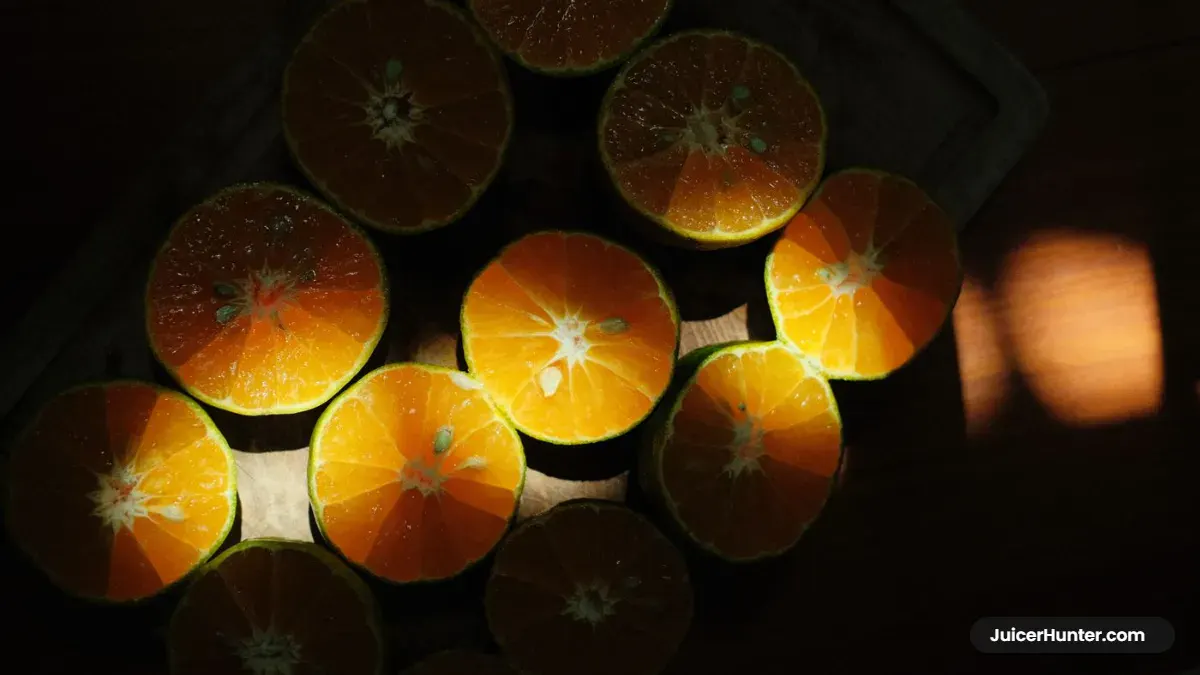
- Pick heavy oranges. Heavier fruit is juicier.
- Use room-temperature fruit. Cold oranges give less juice.
- Roll each orange firmly on the counter.
- Cut across the middle, not from stem to end.
- Press with gentle, steady pressure. Do not grind the peel.
- Stop when the juice slows. Over-pressing adds bitterness from the pith.
- Stir and serve. Pour over ice or chill the glass.
You usually need about 3 to 4 medium oranges for an 8-ounce glass of juice. Our full orange juice recipe has more tips on flavor and mix-ins.
Fresh Orange Juice Nutrition
Fresh orange juice is a good source of vitamin C and potassium. One cup gives more than a day’s worth of vitamin C for most adults, according to data you can explore in USDA FoodData Central. Keep in mind that juice has less fiber than whole oranges, so it is wise to enjoy it in moderation. The Dietary Guidelines for Americans recommend that most of your fruit intake come from whole fruit.
How to Store Fresh Orange Juice
- Store in a sealed glass bottle or jar.
- Fill to the top to limit air.
- Refrigerate immediately.
- Drink within 2 to 3 days for the best taste.
- Freeze extra juice in ice cube trays for up to 3 months. Learn more in our guide on whether you can freeze orange juice.
How to Clean an Orange Juicer
- Unplug electric models.
- Remove the cone, strainer and jug.
- Rinse right away so pulp does not dry.
- Brush the strainer holes gently.
- Wash in warm soapy water or the dishwasher if allowed.
- Wipe the base and dry everything.
Orange Juice Mix-Ins and Ideas
Once you have your orange juicer, try these easy upgrades:
- Orange carrot ginger: Add juice from 2 carrots and a little ginger.
- Orange pineapple: Mix half orange, half pineapple juice.
- Orange cranberry: Stir in fresh cranberry juice.
- Sparkling OJ: Top with sparkling water for a light brunch drink.
- Orange mint ice cubes: Freeze OJ with mint leaves for summer drinks.
Curious about OJ with other drinks? Read our posts on coffee and orange juice and orange juice and milk.
Is an Orange Juicer Worth It? A Quick Cost Look
Many people wonder if buying an orange juicer really makes sense compared with buying bottled juice. It depends on how much you drink and the price of oranges where you live.
Here is a simple way to think about it:
- Bottled fresh-squeezed juice at the store can cost several dollars per quart.
- Juicing at home costs the price of the oranges, which is often cheaper in winter when citrus is in season.
- A basic electric orange juicer can pay for itself over a few months if you drink OJ several times a week.
Beyond cost, fresh juice tastes brighter, has no added sugar and lets you mix in other fruits. For many families, the taste alone makes an orange juicer worth it.
When It May Not Be Worth It
- You drink orange juice only a few times a year.
- You have very limited counter or cabinet space.
- You prefer whole oranges, which keep all their fiber.
In those cases, a cheap reamer or handheld squeezer is a better fit.
Fresh-Squeezed OJ Morning Routine (Under 5 Minutes)
Want fresh juice every morning without the hassle? Try this simple routine.
- The night before: Leave 3 to 4 oranges on the counter so they are at room temperature by morning. Put a juice glass in the fridge to chill.
- In the morning: Roll each orange on the counter for a few seconds.
- Cut: Slice all the oranges in half at once.
- Juice: Press each half on your electric juicer or lever press.
- Serve: Pour into your chilled glass.
- Rinse: Rinse the cone and strainer right away. It takes under a minute.
This routine gives you a cold, fresh glass of OJ with almost no effort. It is a great habit to start the day.
Where to Find the Best Oranges for Juicing
- Grocery stores: Look for bags labeled “juice oranges.” They are often Valencia or Hamlin and cost less per pound.
- Warehouse clubs: Great for big bags if you juice every day.
- Farmers markets: In Florida, California, Arizona and Texas, local citrus can be very fresh in winter.
- Online citrus farms: Many ship boxes of fresh oranges in season.
Orange Juicer Accessories That Help
- Fine mesh strainer: For extra-smooth, pulp-free juice.
- Glass juice bottles: Airtight bottles keep juice fresh in the fridge.
- Citrus knife: A serrated knife cuts cleanly through orange peel.
- Cutting board with a juice groove: Catches drips while you slice.
- Ice cube trays: Freeze extra juice in handy portions.
Where People Go Wrong
- Juicing cold oranges straight from the fridge.
- Pressing too hard, which adds bitter oils.
- Using the wrong cone for big oranges.
- Letting navel orange juice sit too long.
- Not washing the fruit before cutting. Germs on the peel can move to the juice.
Common Questions
What is the best type of orange juicer for home use?
For most homes, an electric orange juicer with a press arm and pulp control is the best choice. It is fast, easy and affordable. A lever press is a great option if you want no electricity and very fast juicing.
How many oranges do I need for a glass of juice?
Plan on about 3 to 4 medium oranges for an 8-ounce glass. Juicy Valencia oranges may need fewer.
Do I need to peel oranges for an orange juicer?
No. Cut them in half and press each half on the cone. You only need to peel oranges if you use a masticating or centrifugal juicer.
Why does my fresh orange juice taste bitter?
Navel oranges can turn bitter as the juice sits, and pressing too hard can add bitter peel oils. Drink navel juice quickly, press gently and try Valencia oranges.
Can an orange juicer juice grapefruit and lemons?
Yes. Most orange juicers can juice lemons, limes and grapefruit if the cone fits. Many electric models include two cone sizes.
Final Word
The right orange juicer turns fresh OJ into an easy daily habit. A handheld squeezer or reamer is fine for occasional use. An electric orange juicer is the best all-round pick for most homes. A lever press is fastest without power, and automatic machines are built for high-volume use.
Choose Valencia oranges for the sweetest juice, use room-temperature fruit and press gently.
Ready to squeeze? Try our step-by-step orange juice recipe and explore more fresh ideas in our juicer recipes collection.