Juicing is an easy way to add more fruit and vegetables to your day, but it is also easy to overspend on the wrong juicer, drink too much sugar or fall for “detox” myths. This beginner’s guide covers how to choose a juicer, which produce to start with, simple ratios, how much juice to drink and how to store it safely, with links to our detailed recipes and reviews.
Quick start: Use a 2:1 vegetable-to-fruit ratio (for example cucumber, celery and spinach with one green apple), drink about one small glass (120–240 ml) a day alongside whole fruit and vegetables, and drink fresh juice within 24–48 hours. A slow (masticating) juicer is best for greens; a centrifugal juicer is faster and cheaper for fruit and hard vegetables.

Step 1: Choose the Right Juicer
| Juicer type | Best for | Pros | Cons |
|---|---|---|---|
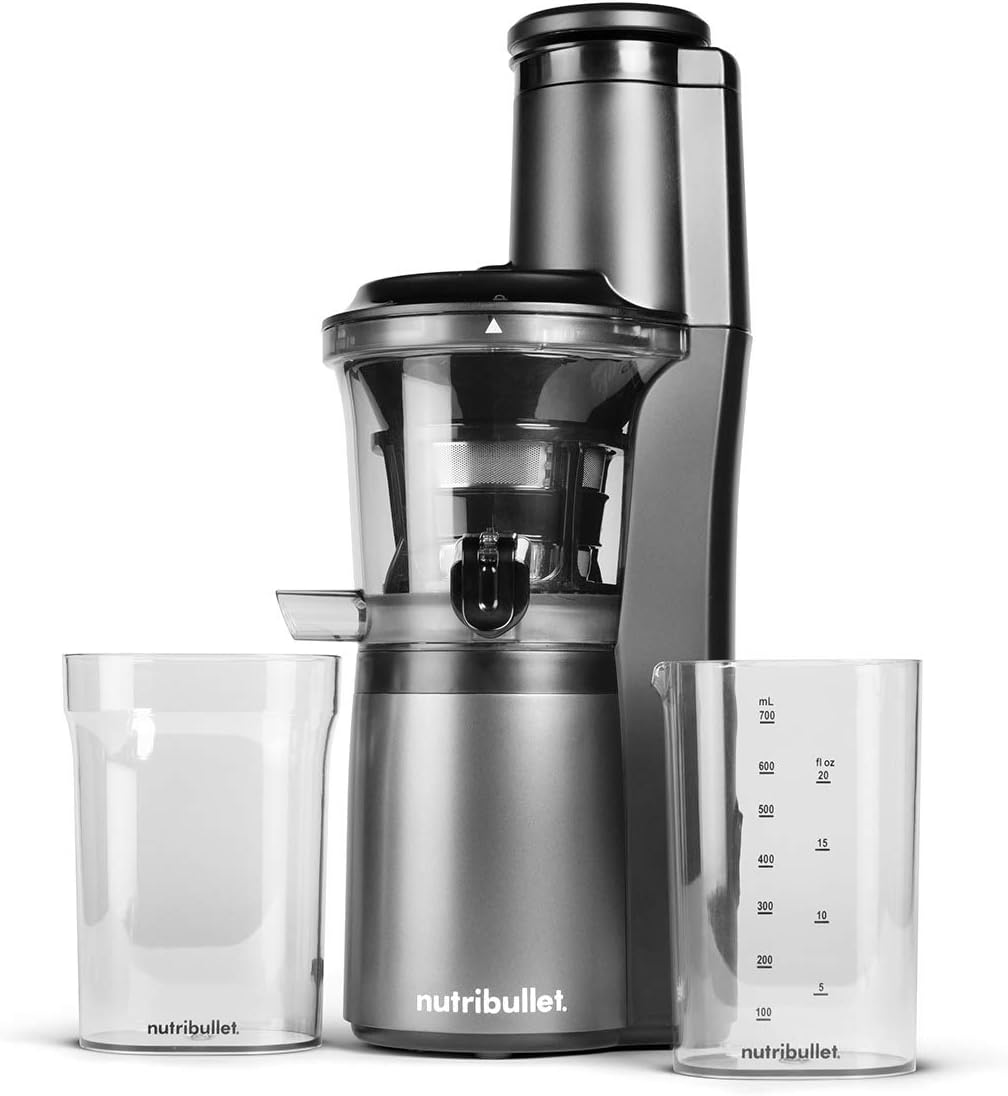
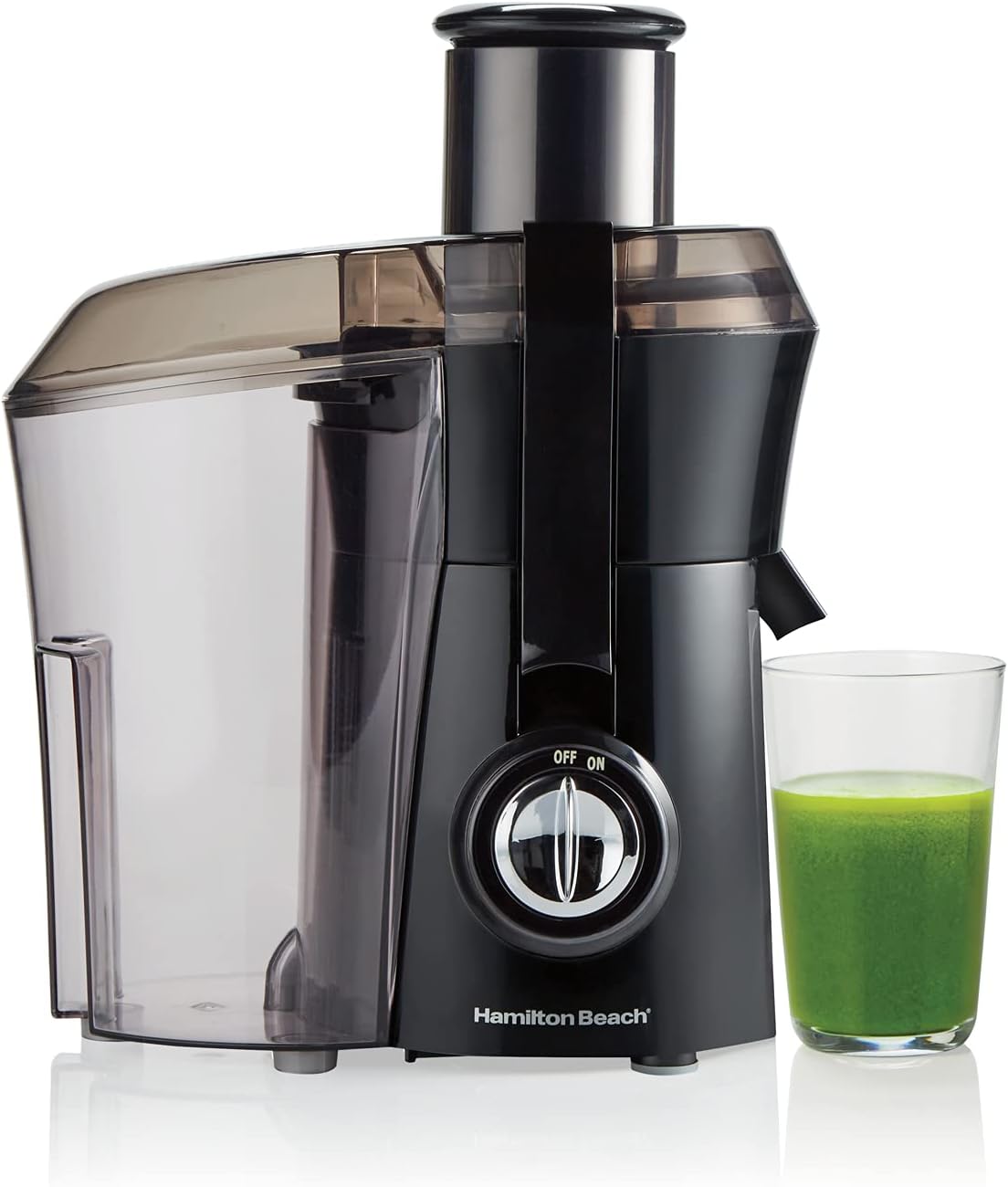
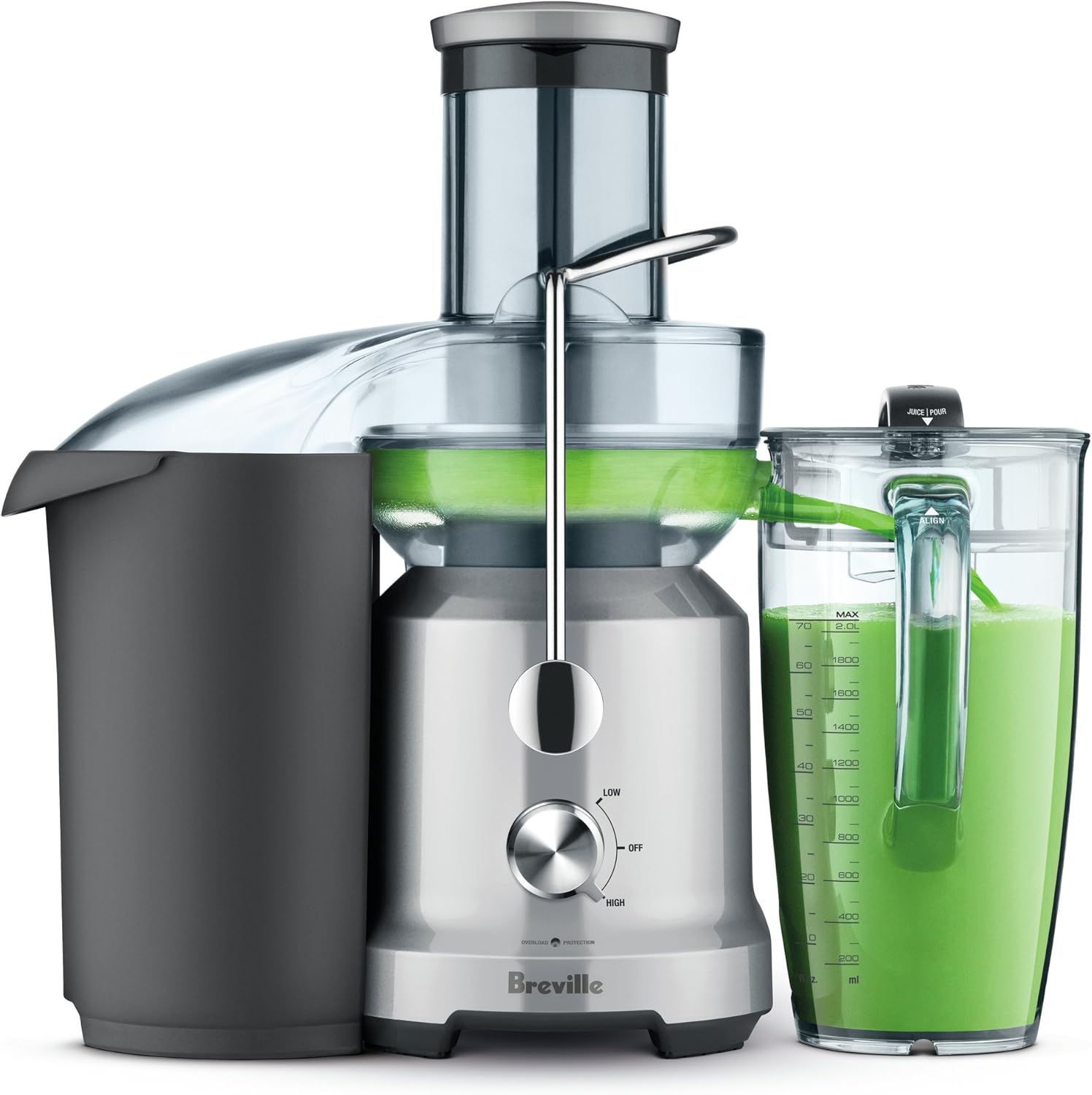
| Centrifugal | Fruit, carrots, beets | Fast, affordable, less prep | Weak on greens, louder, more foam |
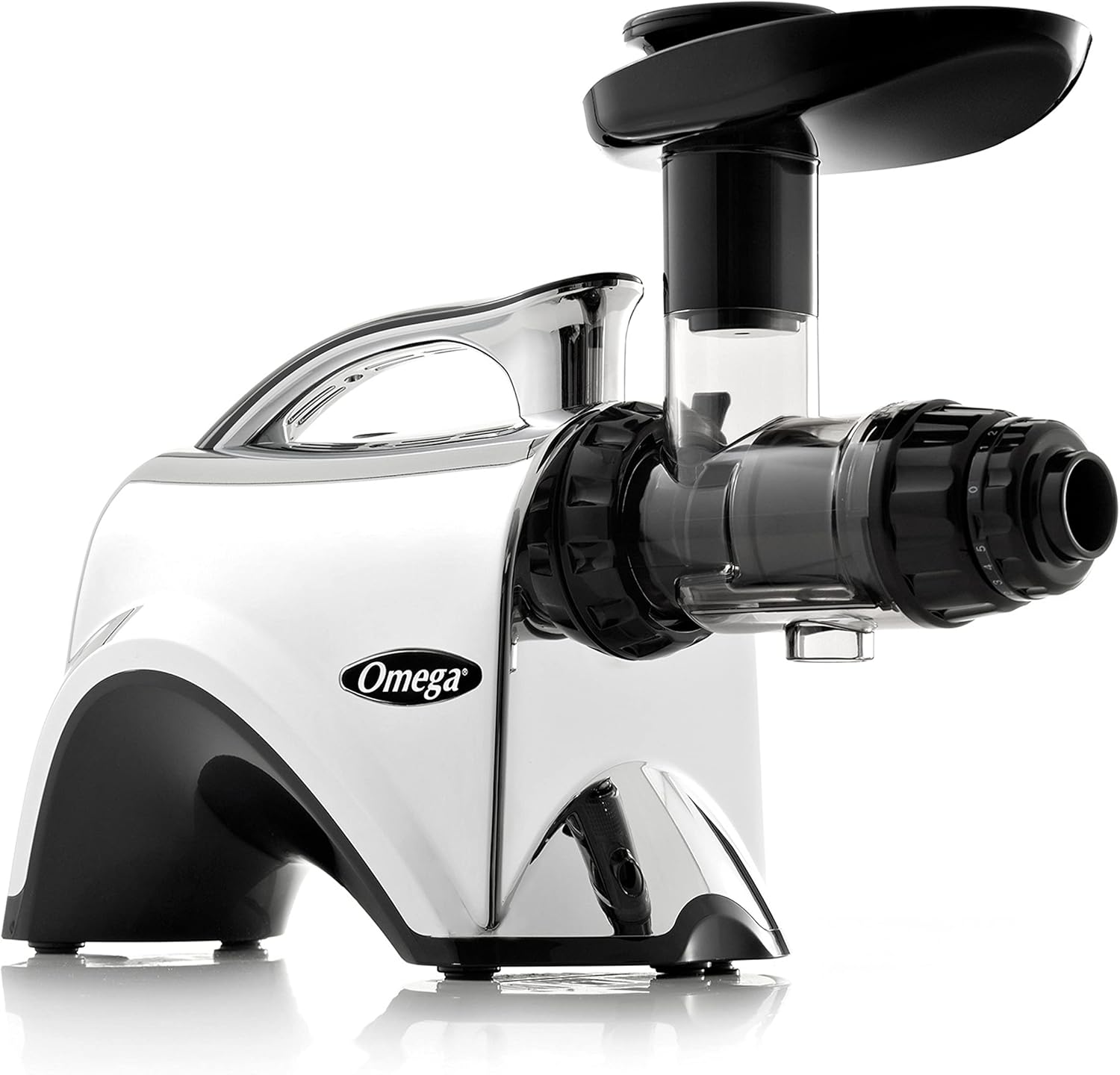
| Masticating / slow | Greens, mixed juices | High yield, quiet, less foam | Slower, often pricier |
| Twin gear | Greens, wheatgrass | Highest yield, very dry pulp | Expensive, more prep |
| Citrus | Oranges, lemons, grapefruit | Cheap, simple | Citrus only |
| Blender + strainer | Trying juicing first | No new appliance | More mess |
Read masticating vs centrifugal juicer, the 3 major types of juicers and our best juicers reviewed. On a budget? See the best low-priced juicer or try juicing without a juicer.
Step 2: Start with Easy Produce
| Category | Beginner-friendly picks |
|---|---|
| Juicy vegetables | Cucumber, celery, carrots, romaine |
| Mild greens | Spinach, romaine; add kale later |
| Sweet fruit | Apple, pear, pineapple, orange |
| Flavor boosters | Lemon, lime, ginger, mint |
| Skip or blend instead | Banana, avocado (blend these) |
More detail: best fruits to juice, best apples for juicing, and vegetables that should not be juiced.
Step 3: Use Simple Ratios
- 2:1 vegetables to fruit keeps sugar lower and flavor balanced.
- Use a juicy base (cucumber, celery, apple) so you get enough volume.
- Add acid (lemon or lime) to brighten flavor and slow browning.
- Introduce strong flavors slowly: beet, ginger, turmeric and kale.
5 Beginner Recipes to Try
- Classic carrot apple ginger
- Celery and pineapple
- Green juice for weight loss
- Kale juice that is not bitter
- Dragon fruit juice

How Much Juice Should You Drink?
A small glass (about 120–240 ml) a day is a sensible amount for most healthy adults. Juice is a supplement to, not a replacement for, whole fruit and vegetables: juicing removes most of the fiber, so it is less filling and raises blood sugar faster. The Dietary Guidelines for Americans recommend that at least half of your fruit comes from whole fruit. Vegetable-heavy juices are the better daily habit.
Myths to Ignore
| Myth | Reality |
|---|---|
| Juice cleanses detox your body | Your liver and kidneys remove waste. See juice cleanse benefits and effects. |
| Juice is always healthier than whole fruit | Whole produce keeps the fiber. |
| More juice equals more health | Large amounts add sugar and calories. |
| Celery juice cures disease | There is no good evidence. See is celery juice beneficial?. |
Food Safety and Storage
- Wash produce well; scrub roots and rinse leafy greens.
- Clean your juicer straight after use: how to wash a juicer.
- Store juice in a full, airtight glass jar in the fridge and drink within 24–48 hours; see how long fresh juice lasts.
- Homemade juice is unpasteurized. Pregnant people, young children, older adults and people with weakened immunity should drink it immediately or choose pasteurized juice.
Who Should Talk to a Doctor First
- People with diabetes (fruit juice raises blood sugar quickly)
- People with kidney disease (potassium and oxalate in some juices)
- People on warfarin (vitamin K in green juices) or medicines affected by grapefruit
- Anyone planning a multi-day juice fast

Make Use of the Pulp
Do not throw it away: pulp can go into muffins, crackers, broth and compost. See what to do with juice pulp.
Kuvings Whole Slow Juicer B6000S
Best for: fresh, nutrient-rich juice from fruits, veggies and leafy greens.
- Slow masticating design keeps juice smooth
- Wide chute fits whole apples
- Also makes smoothies and sorbets
Want more options? See our best masticating juicers and best juicers guides.
As an Amazon Associate, Juicer Hunter earns from qualifying purchases.
Frequently Asked Questions
What is the healthiest juicer to use?
Any juicer you will use regularly. Slow (masticating) juicers give more juice from greens; centrifugal juicers are faster for fruit and hard vegetables.
Is it OK to juice every day?
Yes, a small glass a day is fine for most healthy adults, especially vegetable-based juice, alongside whole produce.
Should I drink juice on an empty stomach?
There is no evidence it is better. With a meal is gentler on blood sugar.
What should a beginner juice first?
Try carrot and apple, or cucumber, celery and green apple with lemon.